

Sangam
Stories of loss, resistance and accountability
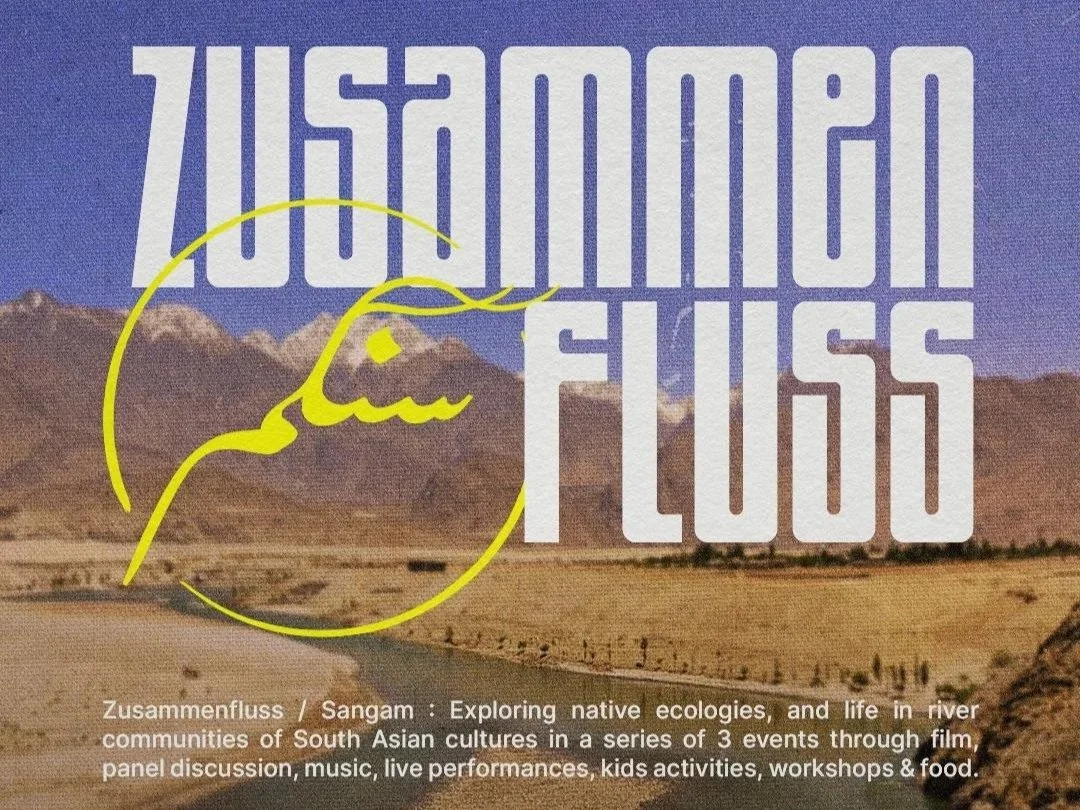
Pakistan stands at the frontline of the climate catastrophe. From melting glaciers to extreme temperature variations, the country is deeply vulnerable to a warming planet. Its rivers and landscapes have been repeatedly devastated by floods. Despite the fact that Pakistan contributes less than 1% of global emissions, millions of its people and animals, homes and ecosystems, are caught in their wake. It is this stark friction between responsibility and consequence that lies at the heart of Sangam (Urdu for confulence / Zusammenfluss), a series curated by the Darya Dost collective.
Through dialogue, film, art, performance and food, Sangam brings communities and activists together to reflect on climate change, and its uneven impacts. Sangam explores how rivers connect people, places and worlds — and how, in the face of catastrophe, new forms of solidarity can emerge. .With their ongoing community events in Berlin, the initiative not only opens up a constant dialogue between the communities in Pakistan and Europe but also collects donations for trusted grassroots efforts in Pakistan such as Mahwari Justice, Madat and international human rights organizations Medico International and ECCHR.
UPCOMING
UPCOMING
31.10.26
Venue: Spore Initiatve, Herrmannstr. 86, 12057 Berlin
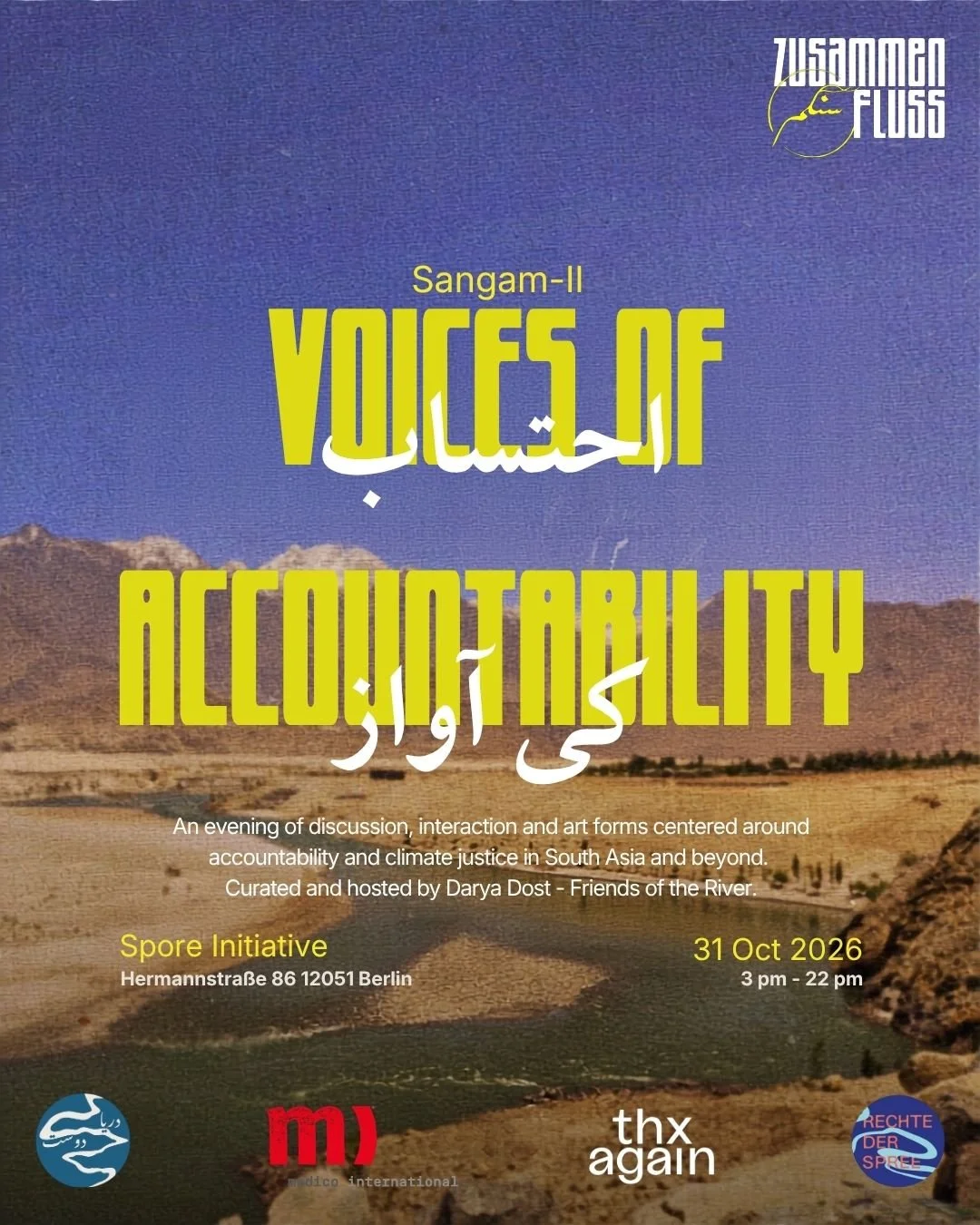
This evening marks the second event in Sangam ~ Confluence ~ Zusammenfluss, a series initiated by the collective Darya Dost (“Friends of the River”). Bringing together rivers, climate change, memory and community, the series approaches environmental transformation through artistic practice, lived experience and collective learning. Rooted in eco-social justice, Sangam asks how ecological crises are experienced unevenly, what forms of responsibility they demand, and what kinds of solidarity can emerge in response.
The evening begins by asking what rivers mean to us: what we feel in their presence, what memories they carry, and what place they hold in our past, present and future.
A multimedia installation by Daniel Hopp and Imran Nafees explores natural resources, power and the unequal relations between Germany and Pakistan. Bringing together their different artistic practices, the work invites visitors to reflect on questions of extraction, environmental responsibility and their own position within these systems.
The second part of the evening turns to accountability. In conversation with Karin Zennig, Amna Mawaz Khan and Fatim Selina Diaby moderated by Janvi, we hear about a legal case brought by 39 farmers from Sindh, Pakistan, against two German companies. Taking this case as a starting point, the discussion asks where responsibility for climate damage lies, how affected communities can demand accountability across borders, and what it might mean to live differently with rivers and land in a time of ecological crisis.
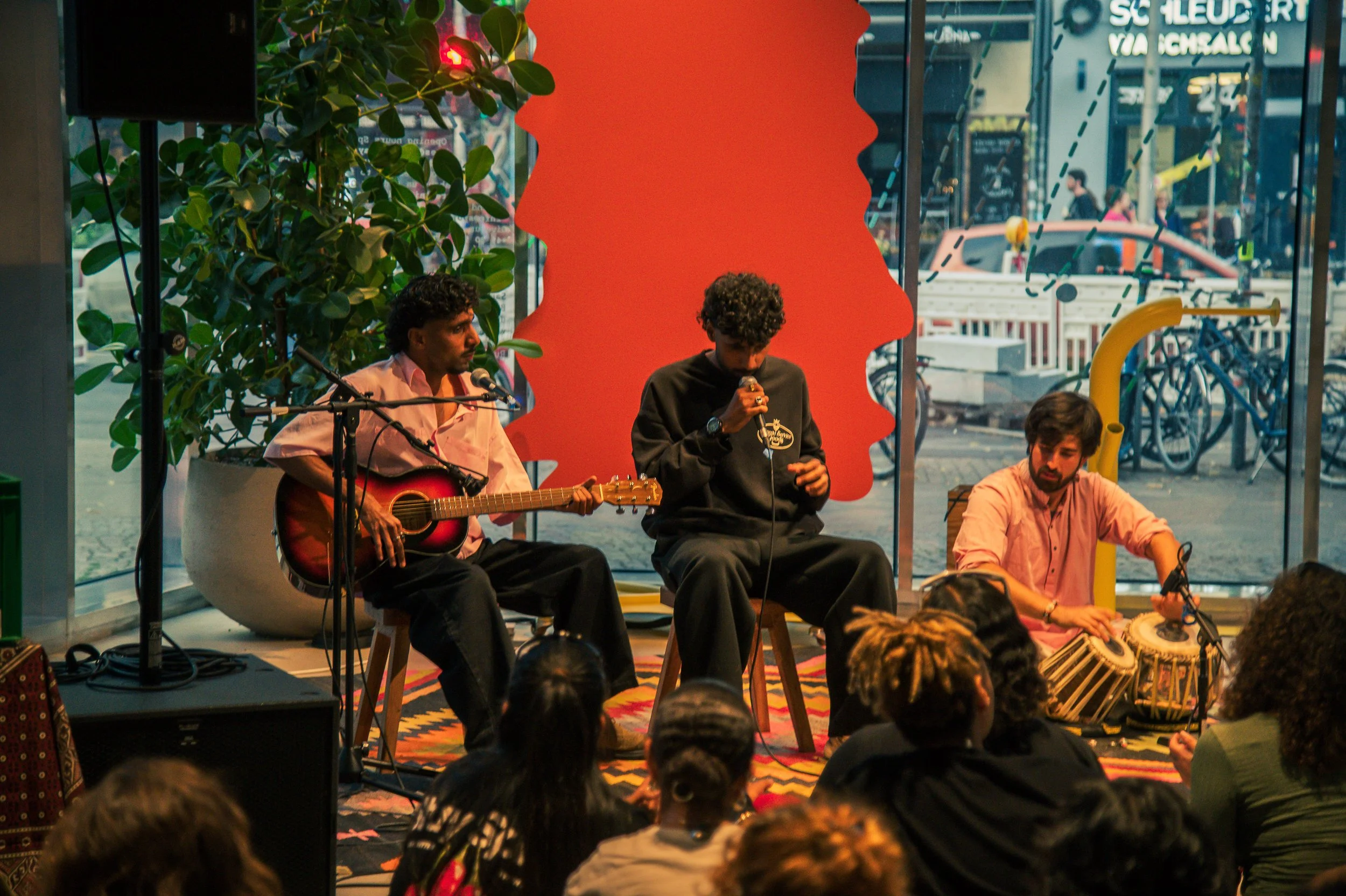
The evening concludes with a live music performance by Shikoh and Nithin Shams,followed by a communal meal.
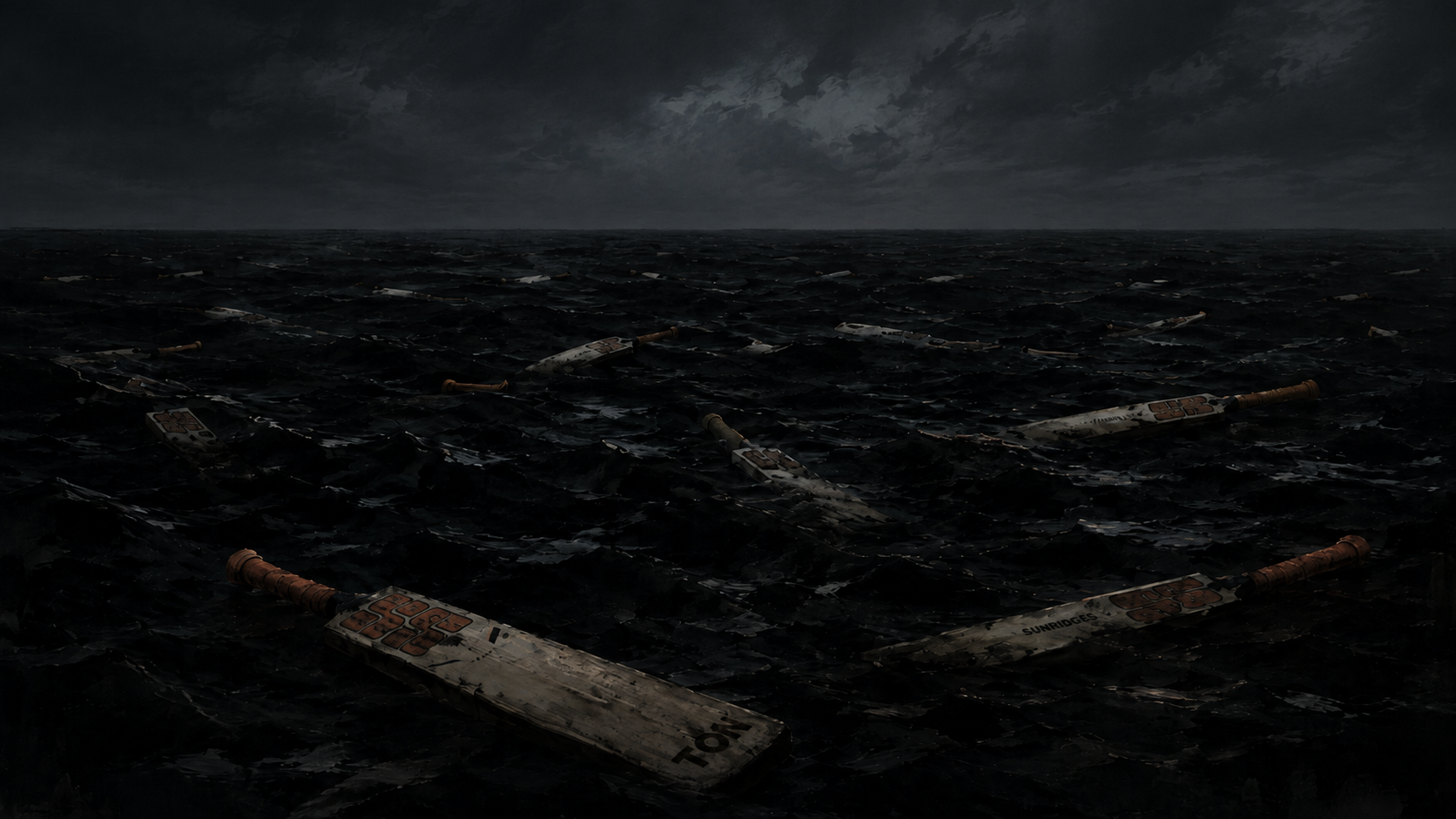
„Water Image“ (26) is an experimental film emerging from the ongoing artistic relationship between Daniel Hopp and Imran Nafees Siddiqui, who have worked together since 2019 across projects connecting Germany and Pakistan.
PAST EVENTS
PAST EVENTS
24.07.26
Venue: Spore Initiatve, Alt-Stralau 68, 10245 Berlin
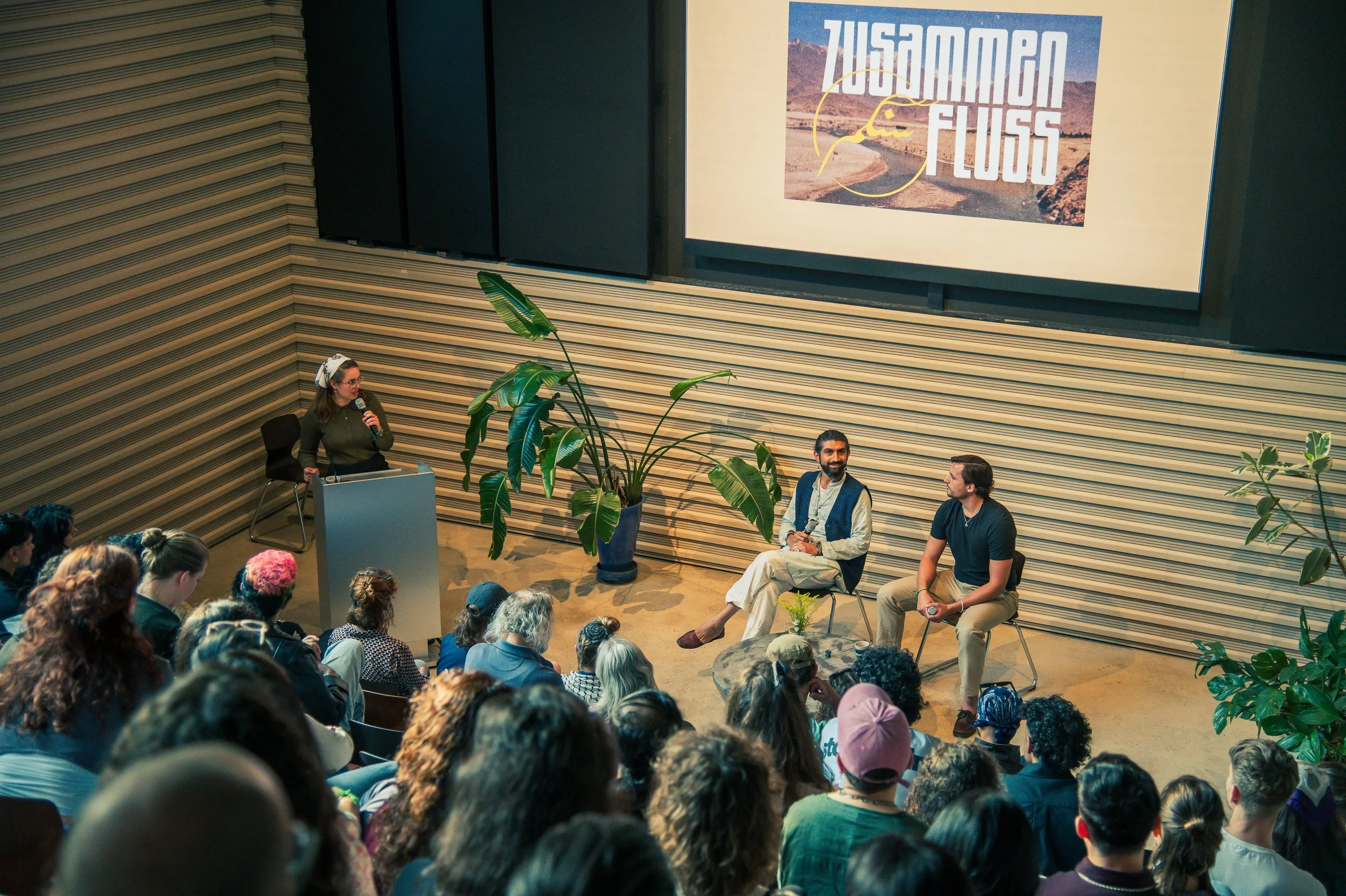
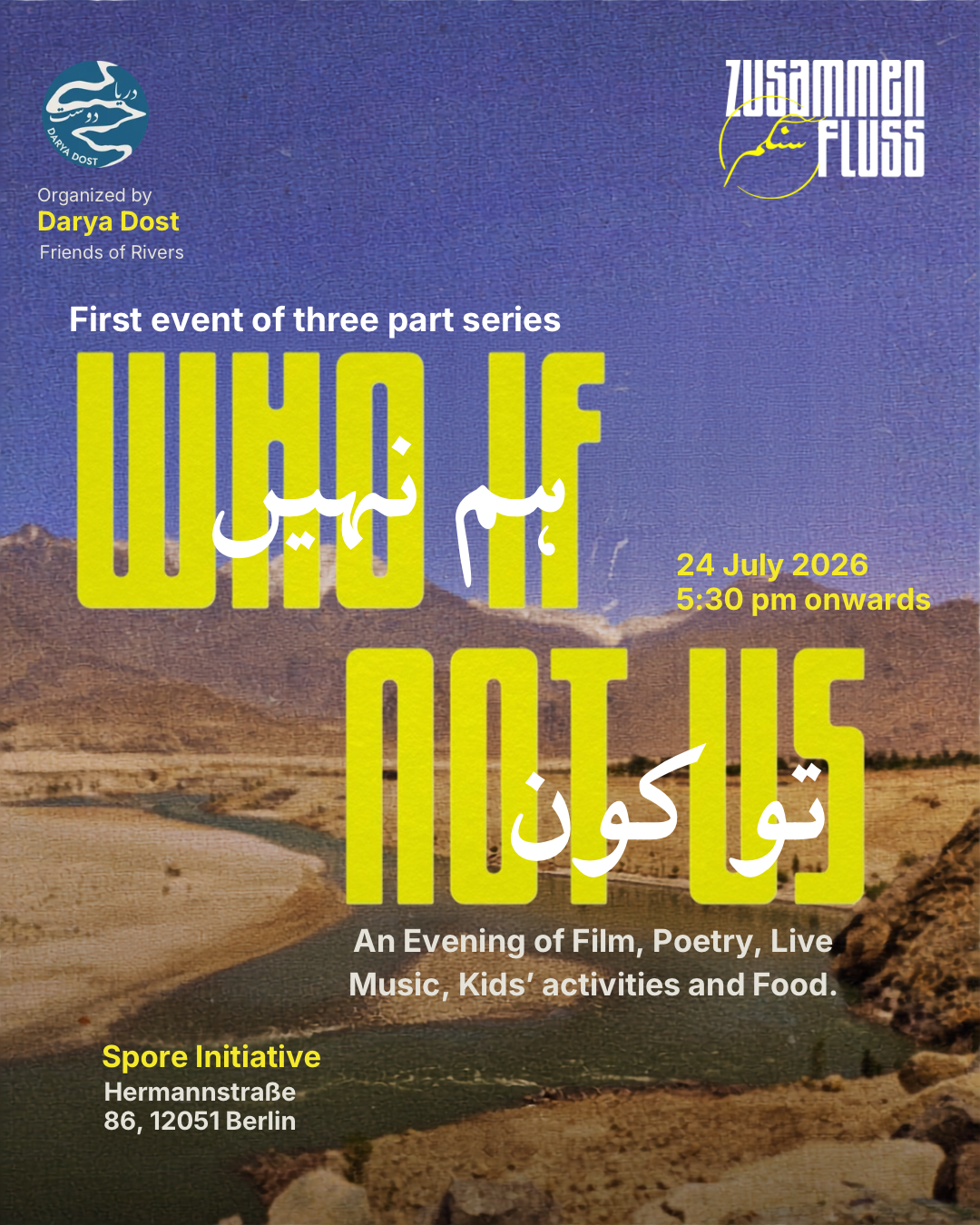
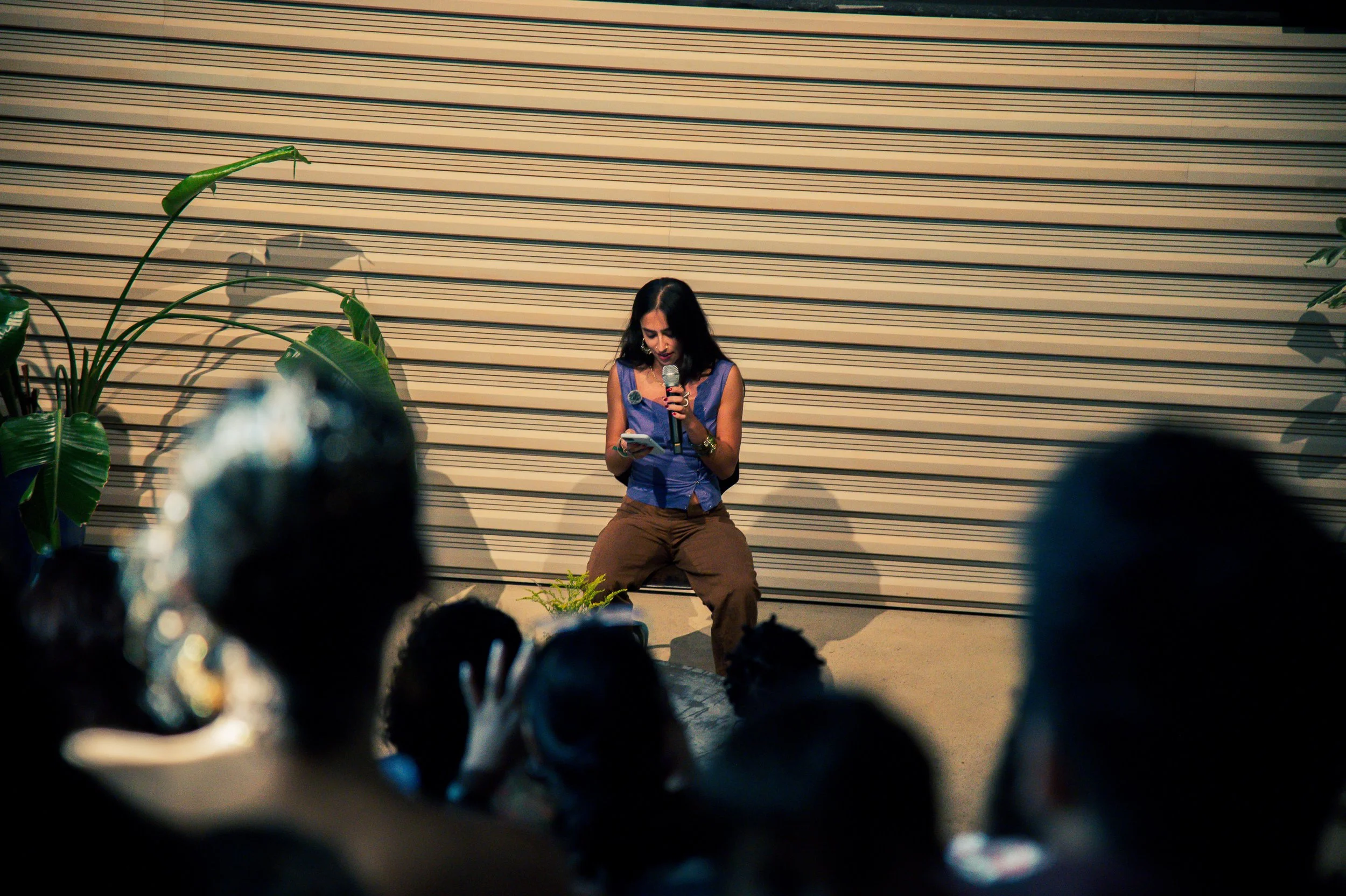
In a first event as part of the series 'Sangam' (Urdu for confluence / Zusammenfluss) we opened up a trans-disciplinary field to reflect on South Asian realities in relationship to rivers, climate change, memory and communities in Pakistan and beyond.
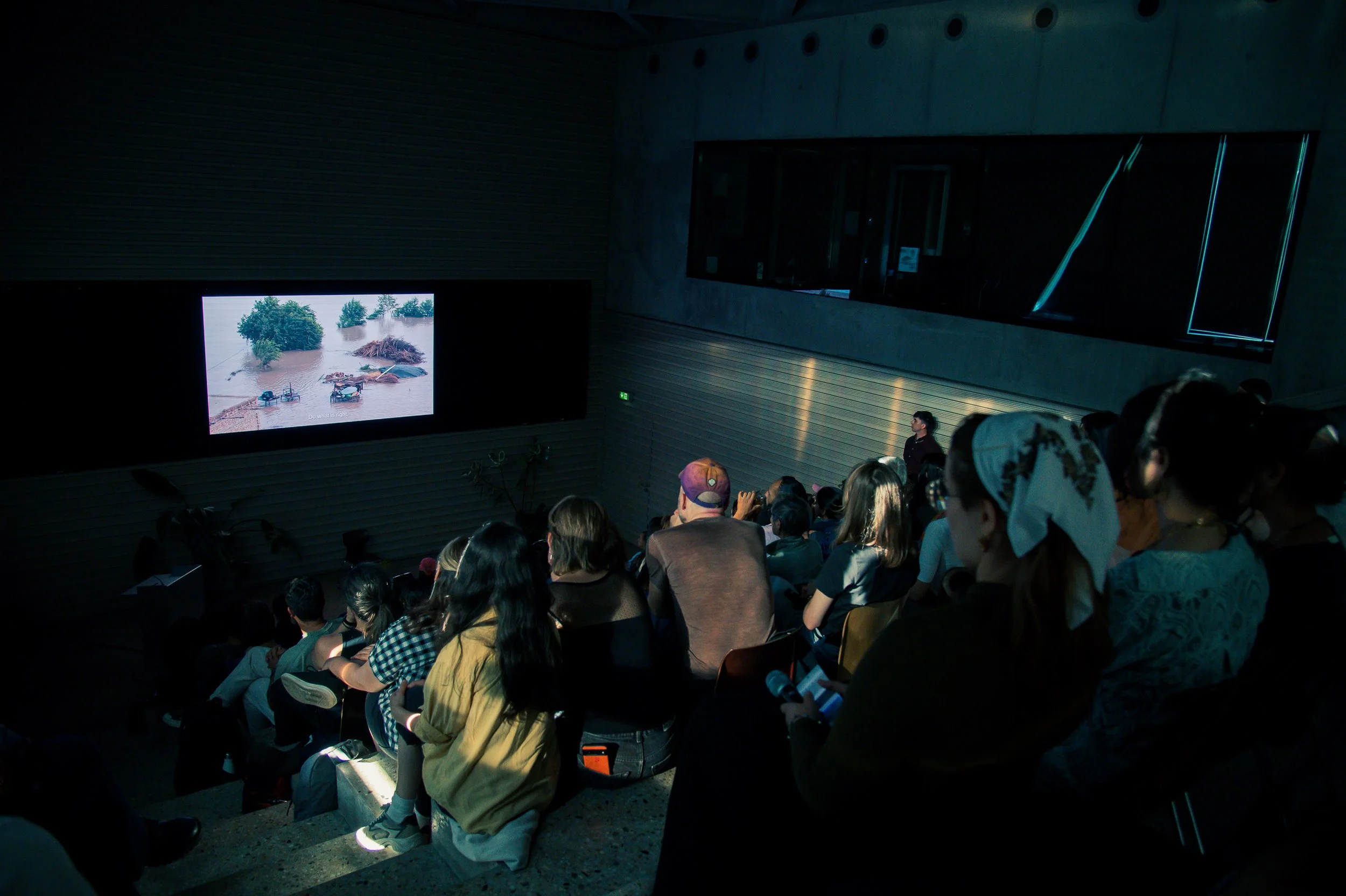
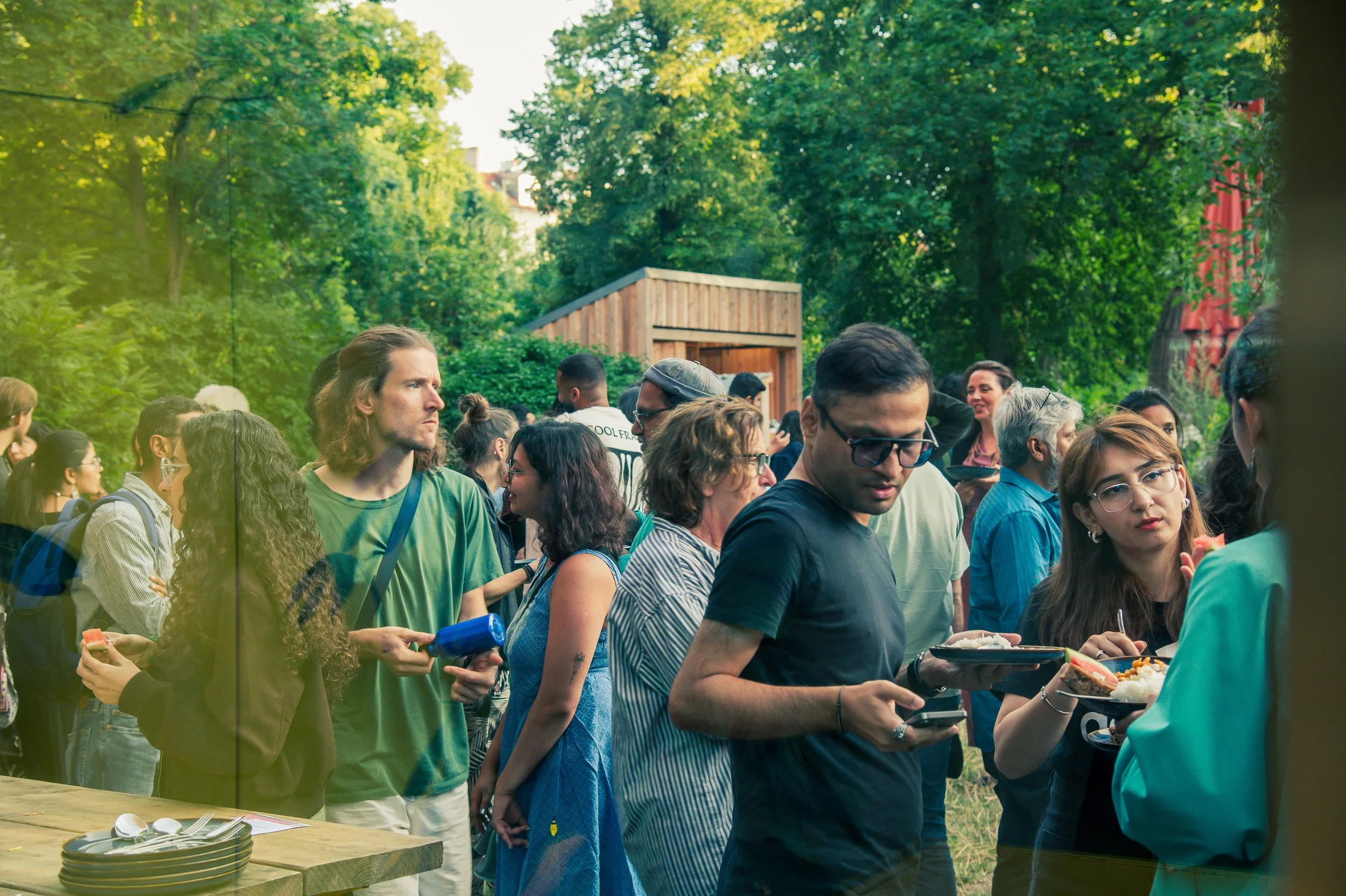
Director Nyal Mueen presented his new film “Who If Not Us” which explores the critical role women play in responding to the climate crisis. Set against the backdrop of political instability and environmental disaster, the film highlights youth leadership, resilience, and social change. Apart from the culinary programme, the muscial duo Baluch Twins performed a live concert in the entrance hall of Spore Initiative - our venue and programming partner for all three Sangam events.
The series of events is curated and organized byDarya Dost (Friends of the River in Urdu) - a collective of friends spread across the globe. It is an endeavour to connect academics, artists, activists, and students with the communities living along the rivers — to listen to their stories, feel their worlds, and share them globally in pursuit of justice.
28.02.26
venue: Subkontinent Berlin, Donaustr. 84
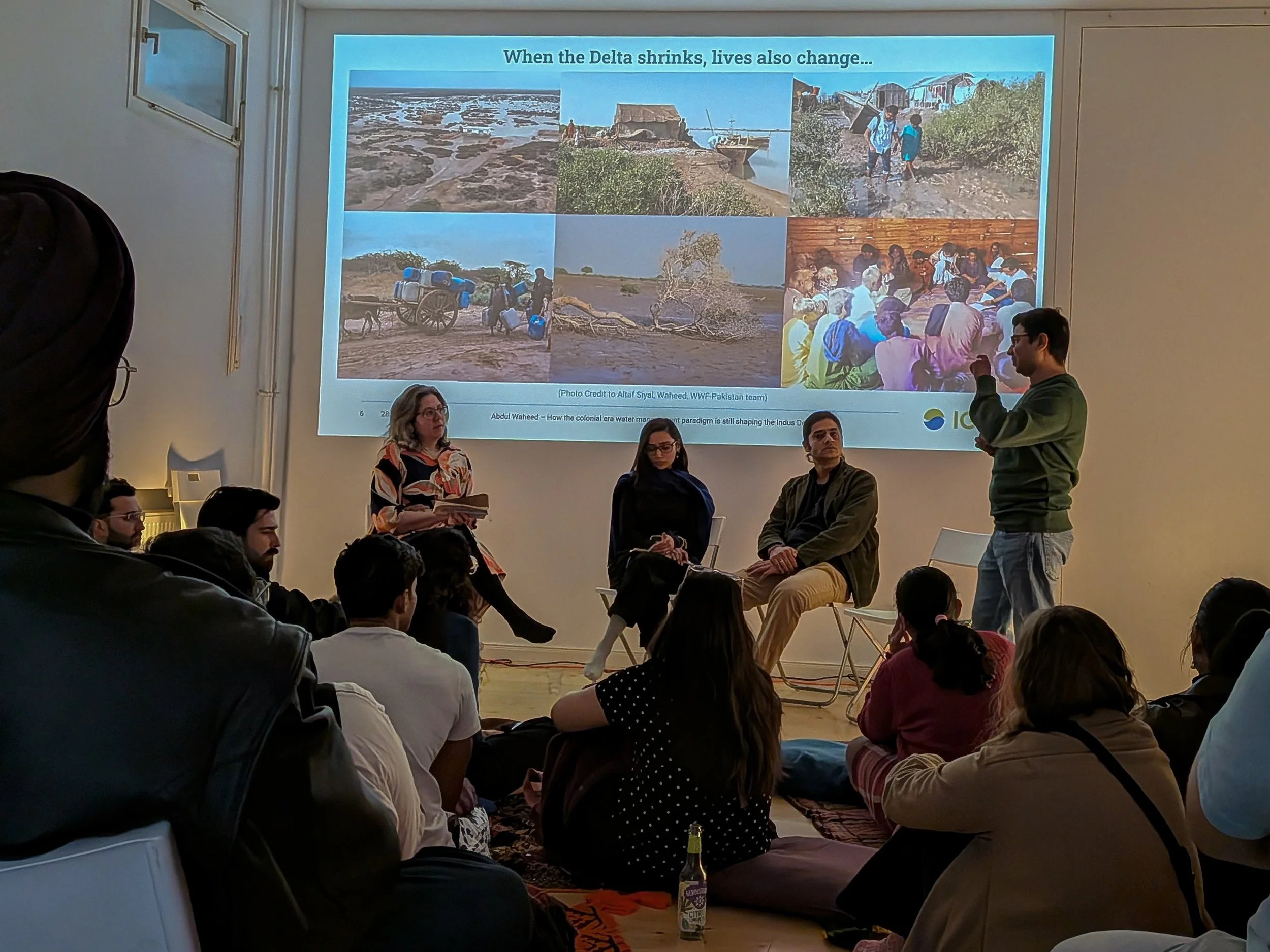
On February 28, 2026, co-hosted by Critical Pakistan at Subkontinent, the team held space for a panel discussion entitled “Drying Cultures of the Indus: A discussion on the strained ecologies of Sindhu Darya”. The panel was moderated by Sadia Bajwa (@sadiasoorej), scholar of modern South Asian history at the Institute for Asian and African Studies, Humboldt University Berlin and hosted:
Mushtaq Gaadi, anthropologist and lecturer at the Quaid I Azam University Islamabad.
Hira Rasool (@hirasool), an architect and researcher of poetics and politics around Sindh and Sindhu Darya. Her spatial practice draws on situated knowledge traditions and design research.
Sohaib Riaz (@sohaib_r_bodla), a researcher in anthropology at University of Munich. He grew up close to Satluj river in Pakistani punjab and has been following the impacts of Indus Water Treaty on communities around Satluj River.
Abdul Waheed, an expert on river deltaic regions, with a particular focus on the Indus Delta. He is a doctoral candidate at the Leibniz Institute of Freshwater Ecology and Inland Fisheries (IGB), Berlin, where his research examines water governance, political ecology, and climate resilience in delta communities.
The event also screened the film Natari by Jawad Sharif - a Pakistani filmmaker, producer, and activist. Natari (2021) was part of the official selection of the Climate Crisis Film Festival 2021, held in line with the COP26 in Glasgow, UK. The documentary film tells the story of the conflict caused by climate migration, the continued use of the illegalized bullho net by the powerful, and its impact on local fisher communities and families such as that of Ayoub Sehto in the endangered Indus Delta region.
6.11.25
Venue: R100 project space, Alt-Stralau 68, 10245 Berlin
In 2022, a historic heatwave triggered devastating flooding across Pakistan—the worst in the country’s living memory. According to the National Disaster Management Authority (NDMA), around 33 million people were affected, including nearly 8 million displaced (Ministry of Planning Development & Special Initiatives 2022). Only three years later, another wave of heavy rains washed away thousands more bodies, homes, and crops. Why was Pakistan hit so hard twice in just three years? This region, with its glaciers in the Himalayas and the high temperature differences throughout the country is especially vulnerable to global warming. So despite contributing less than 0.1 percent of global emissions, Pakistan ranks among the countries most affected by climate change (Germanwatch 2026. „Climate Risk Index 2026).
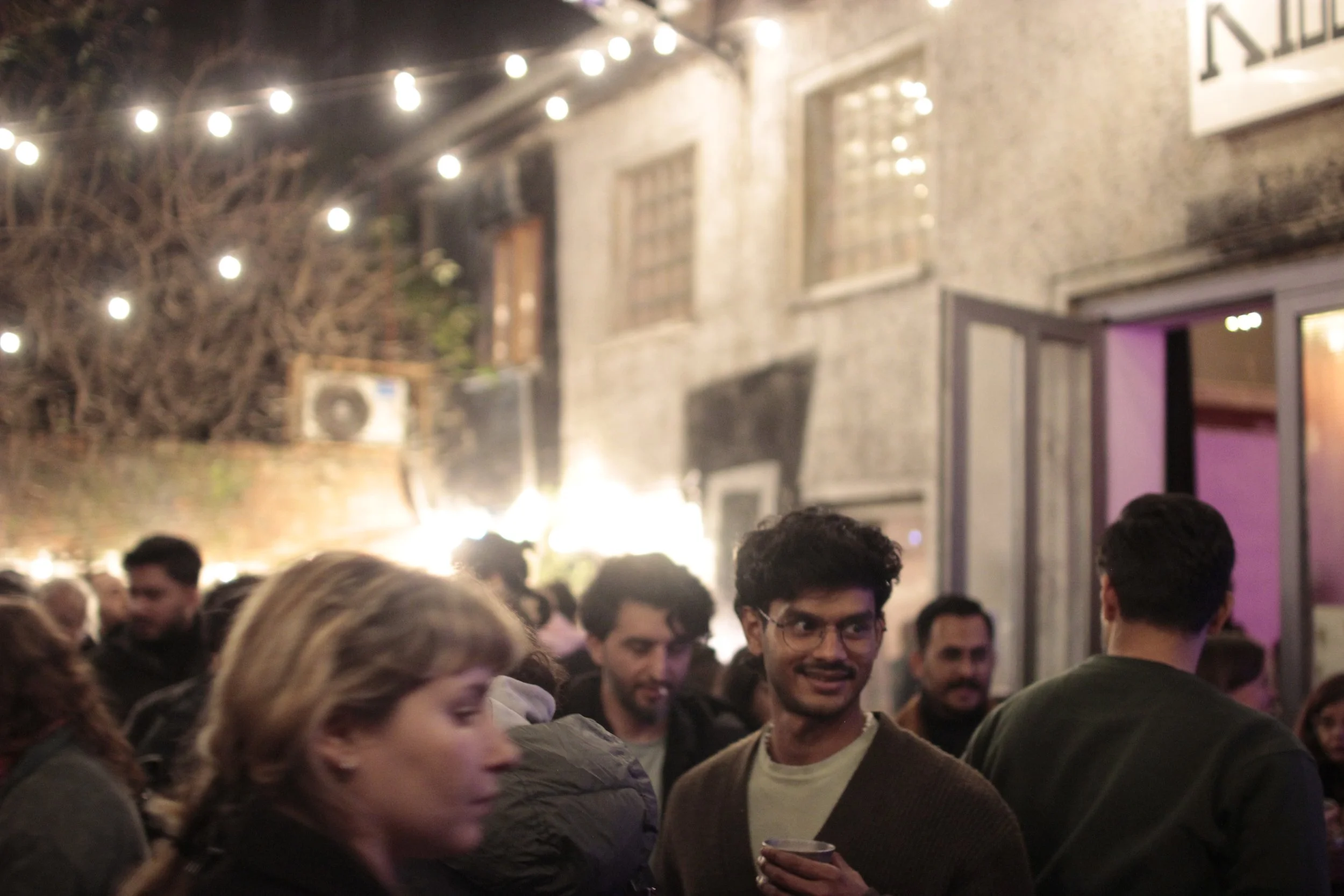
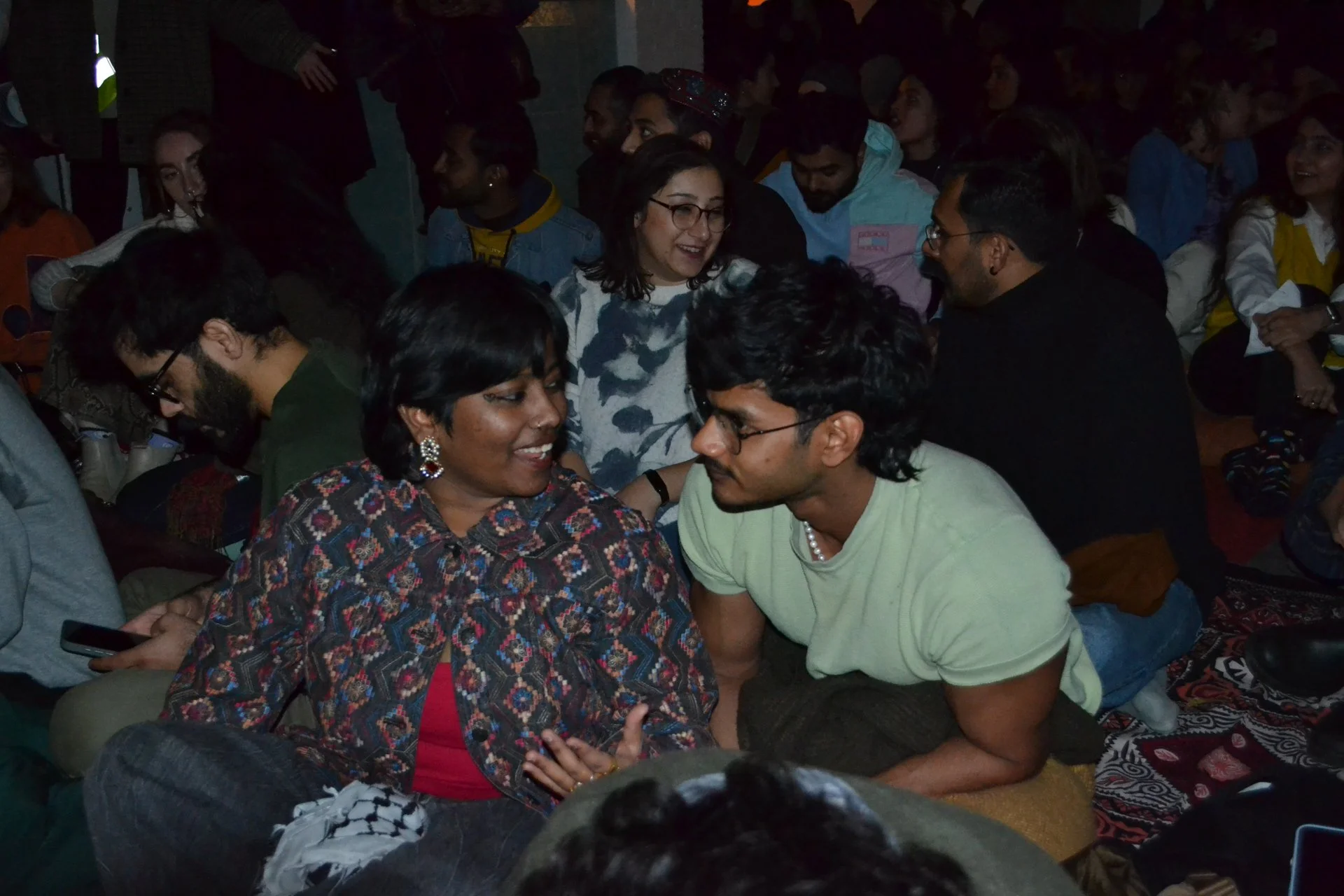
The event program included a performance by Amna Mawaz Khan (@amnadabbadoo) who has trained in classical bharatanatyam as well as performances by Shikoh (@dshikoh) and Neroli (@rahema.z). 🥗 Food by Kun (@kun_the_beginning)
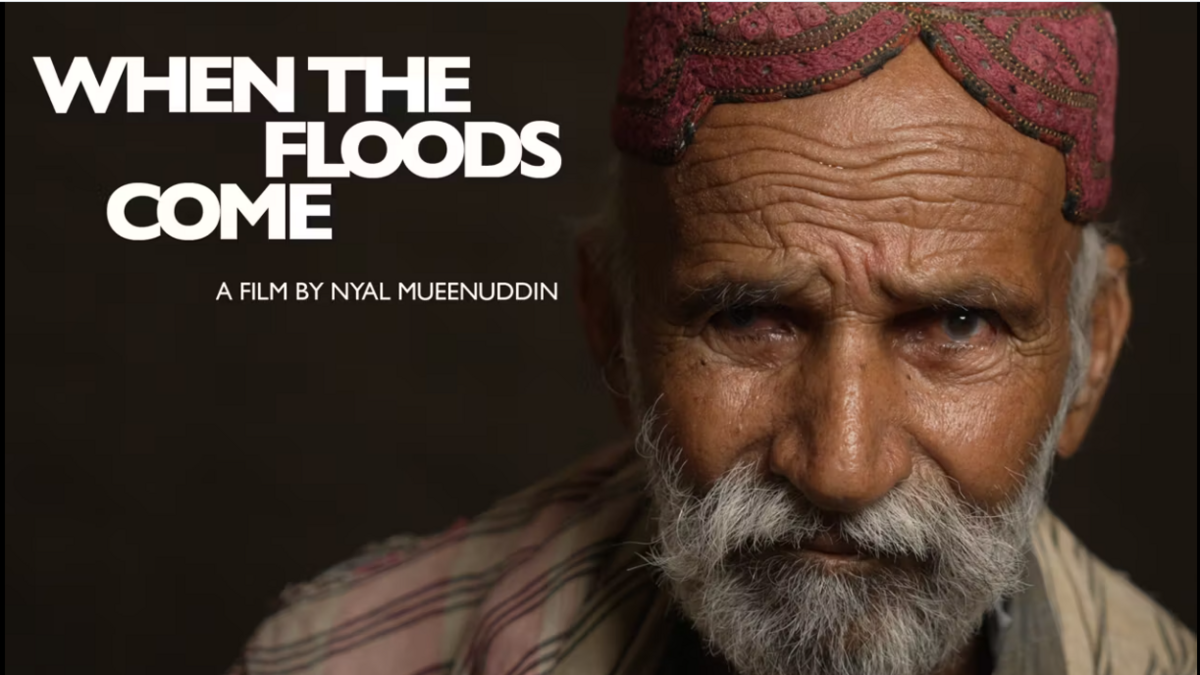
A year after a historic heatwave triggered devastating flooding across Pakistan in 2022, the filmmaker Nyal Mueenuddin embarks on a 3000 km journey down the Indus River seeking to capture the most intimate stories of Pakistanis whose lives have been forever impacted by climate change. In this deeply personal portrait of the Pakistani people, his films acts as a poignant tribute to the enduring spirit of the people of the Indus River, who search for a way forward amidst a crisis they are not responsible for.
Darya Dost — “Friends of the River” — is a collective born from love, grief, and responsibility toward the waters that have sustained life for centuries. From the five rivers of Punjab to the Spree in Berlin, they seek to build bridges of empathy and action — to restore balance, dignity, and connection where water has been wounded. Through storytelling, poetry, art, and dialogue, the members document their struggles, and imagine ways of repair. The collective comprises volunteers situated in different parts of the world, who are connected by their shared values in collective action for climate activism & community-building.
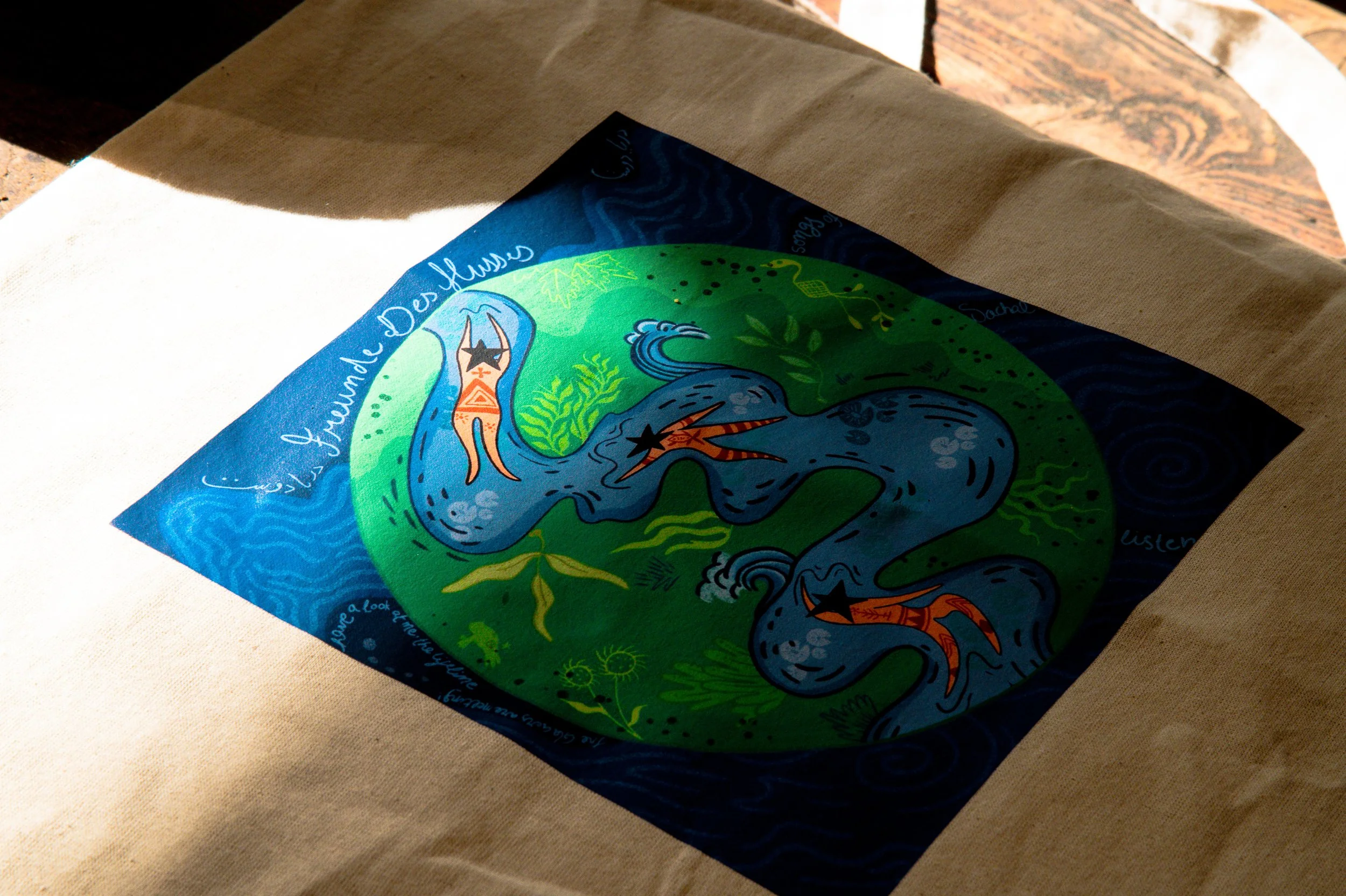
Come by to get your Sangam Hoody and support the affected river communities in Pakistan.